MATERIALISING NOSTALGIA
Materialising Nostalgia explores the potential of recycled metal wearables in the luxury market, focusing on how design can reshape consumer behaviour and address resource overconsumption. It argues that luxury has shifted from craftsmanship and exclusivity to brand recognition and status, offering an opportunity to redefine it through sustainability, emotional durability, and authentic craftsmanship.The research facilitates the amalgamation of traditional jewellery-making techniques with contemporary tools and ideas, reflecting a balance between heritage and innovation. The concept of “materialised nostalgia” is achieved through sound visualisation, leveraging sensory triggers such as texture and form to evoke specific memories, creating jewellery pieces that are both sustainable and deeply meaningful to consumers.
This research bridges the gap between luxury and sustainability, offering a model for how industries can integrate traditional craft values with contemporary ethical considerations. By addressing both consumer expectations and pressing environmental issues, it provides a pathway for creating products that resonate emotionally while contributing to a more sustainable and circular economy.
FINAL COLLECTION
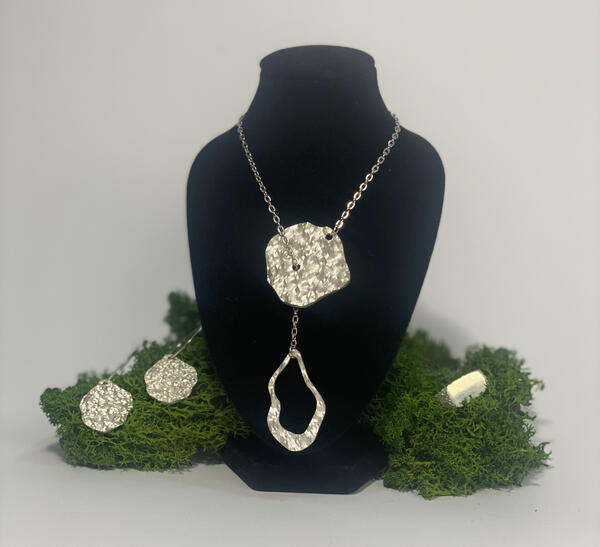
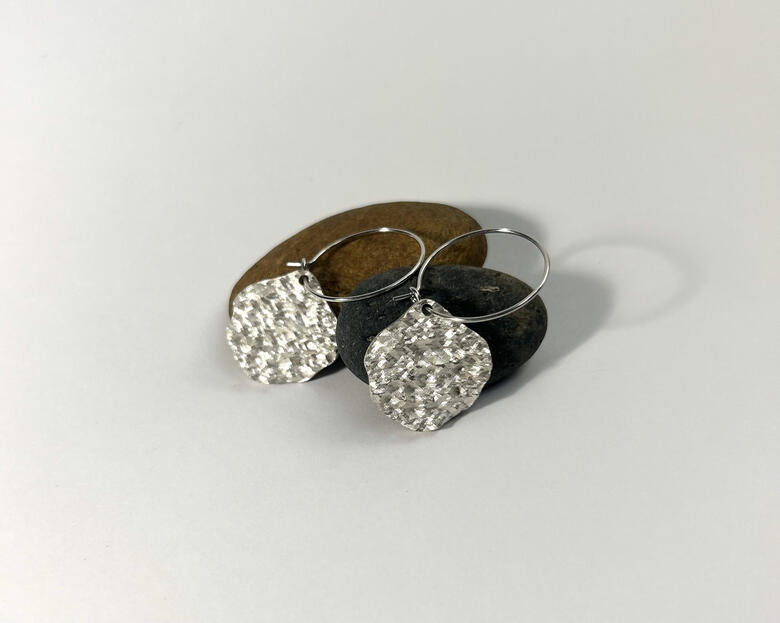
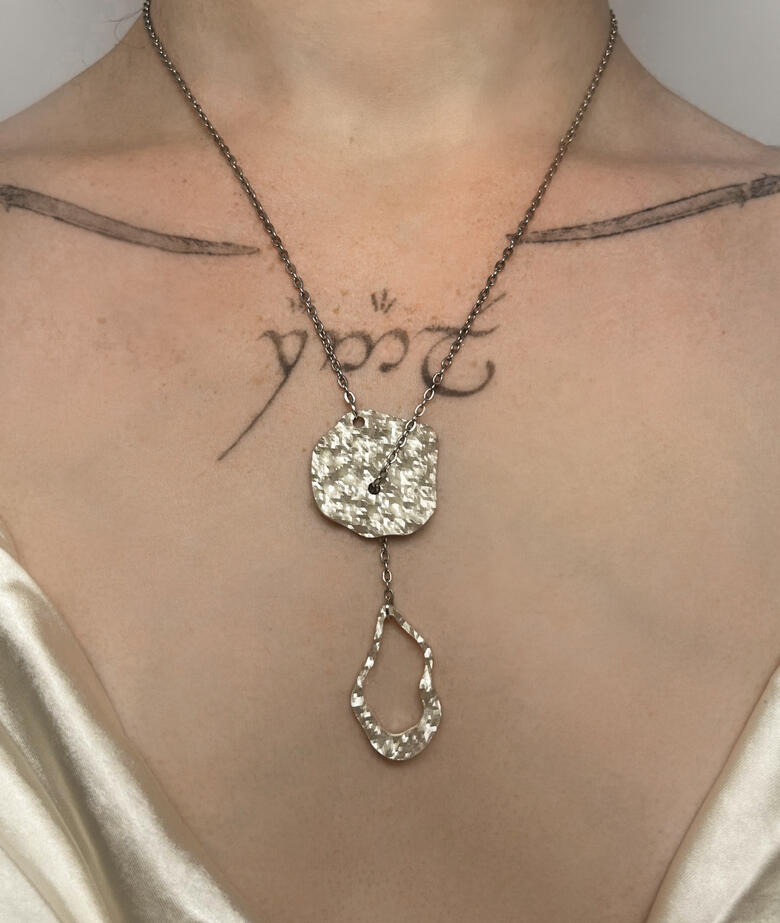
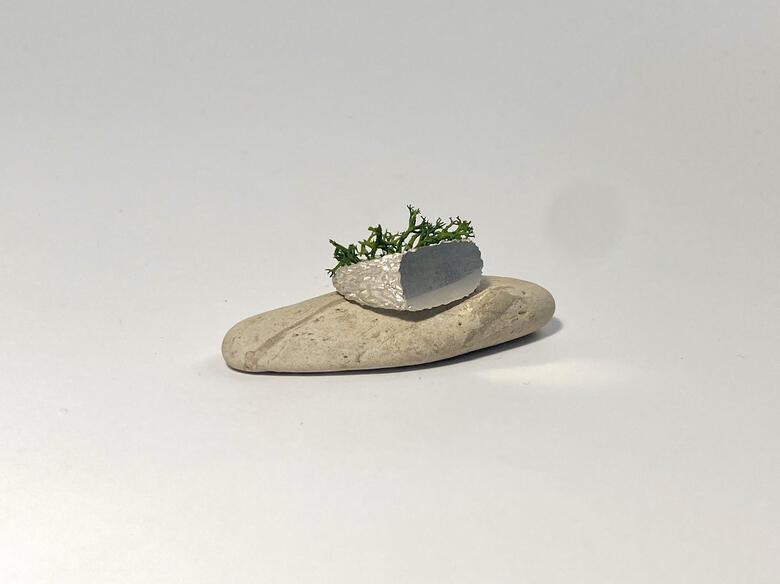
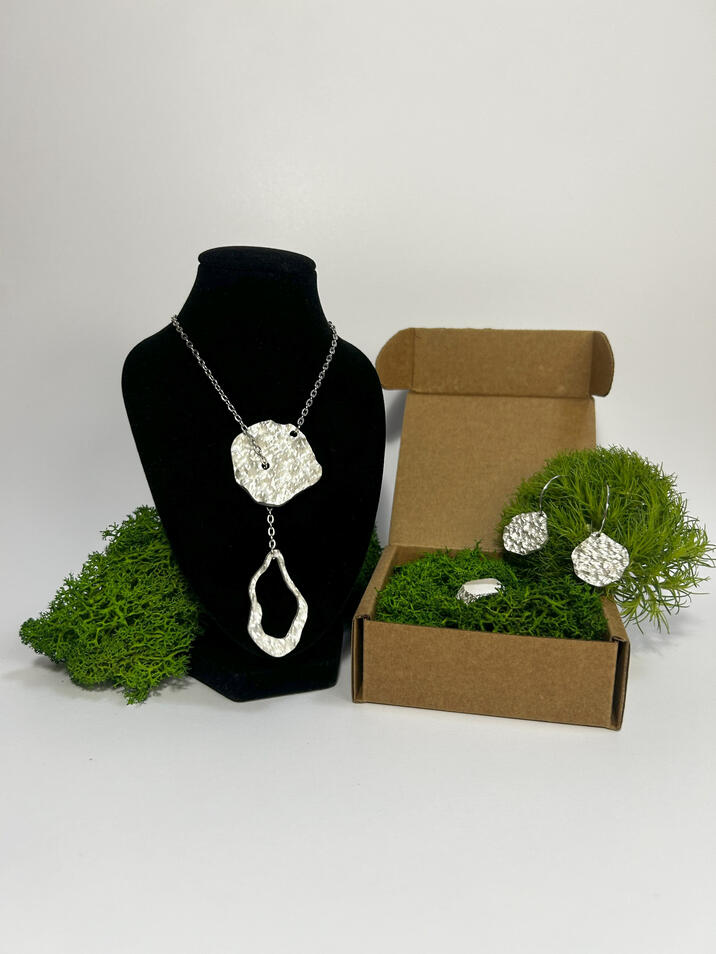
Cast in anti-tarnish silver, the final collection becomes a representation of girlhood. These memories have become immortalised in silver, each piece the manifestation of a past that no longer exists, but will be cherished for years to come. The final form is heavily inspired by patterns found in nature. Dichotomy is created between the chaotic distortion on the surfaces of the pieces and the smooth, organic form. The simplicity of shape balances the desperate longing that aligns itself with nostalgia in its purest form.It was cast using ATS to make sure that in the possibility of its end of life, it can be completely melted down and repurposed without any processing or loss of material. The necklace is my take on a slip-chain necklace, so to create added complexity to the size and wearability. Both pendants in the necklace also function as separate pieces and can be worn as such. The earrings are similar in shape to the top pendant, and the ring was made as a signet, with the top left untextured for potential customisation, such as a date, or name.
ROOTED
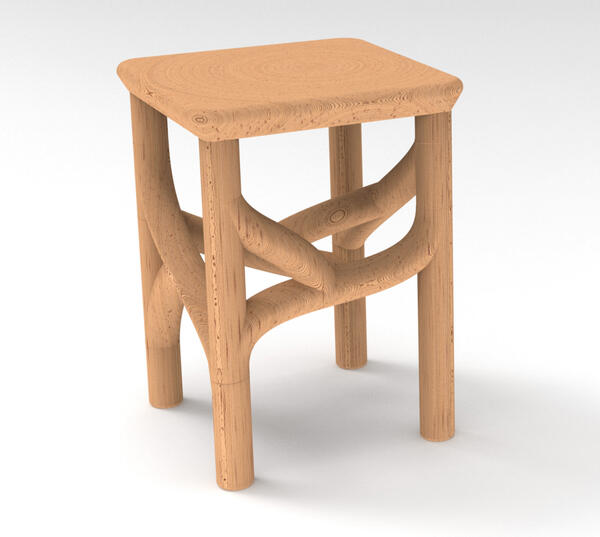
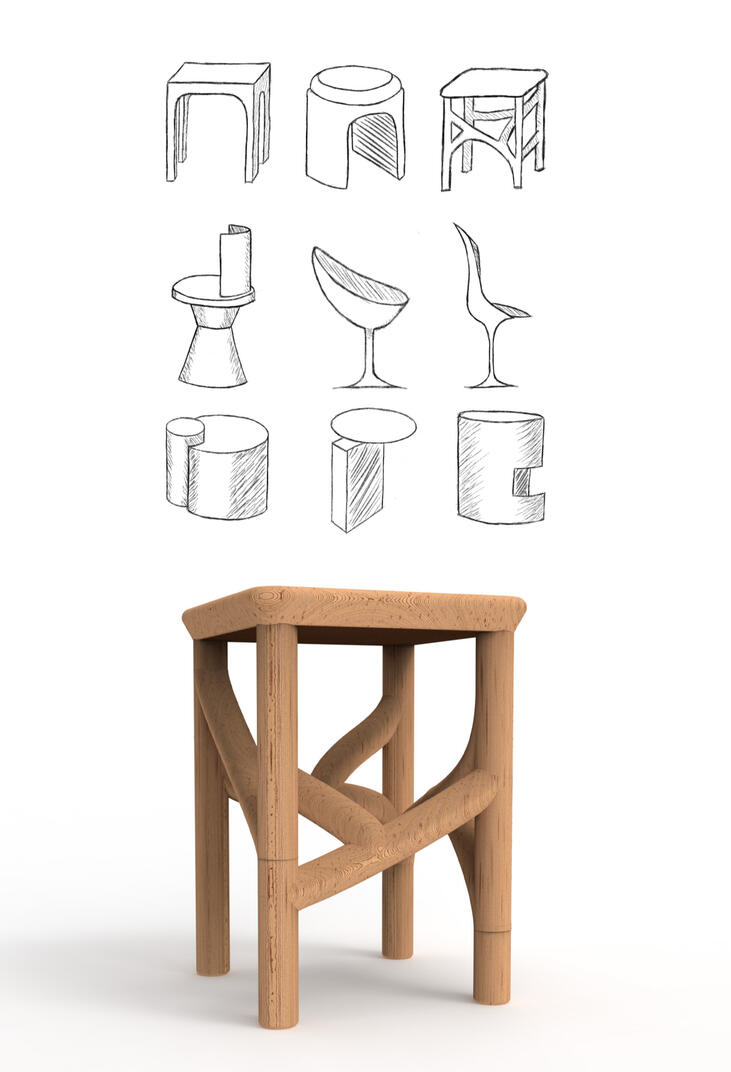
Made possible via the use of Zeoform Micro Pulp, the Rooted Stool combines flowing curves and gentle contours to create a statement piece inspired by biophilic design principles. The softness and fluidity captured within this object fosters a connection to nature within the home environment, contributing to a gentle and serene atmosphere.In its wet state, the pulp has a high water retention rate of almost 85%. Due to this factor, the material also has a shrinkage rate of 85% during its drying process. The pulp was formed over a wire frame in its wet state, and as it hardened, shrunk to its final structure. The top piece of the stool was created using Zeoboards, made from the Zeoform Micro Pulp, these boards can be cut, glued, milled, routed and shaped like regular timber.Due to the nature of the material, most form experimentation consisted of shapes that are traditionally difficult to produce using sustainable manufacturing techniques, providing consumers with a piece of furniture that is both unique in shape and ecologically friendly. With this in mind, the ideation process became very
exciting as the form had very little limitations. This led to the final form being chosen. With biomimicry in mind, the possibility of creating a stool that resembles the roots of a tree combined both elements of ingenuity and organic design.
CHROMAWAVE
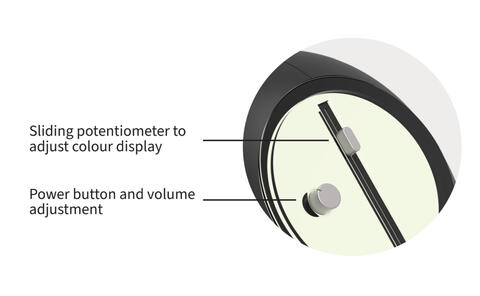
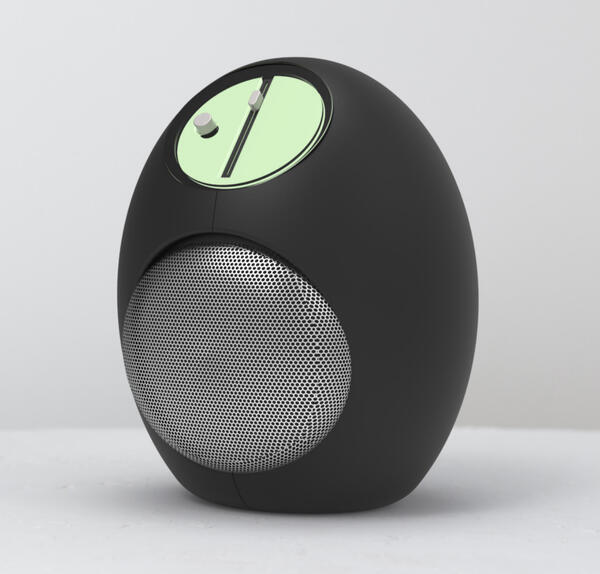
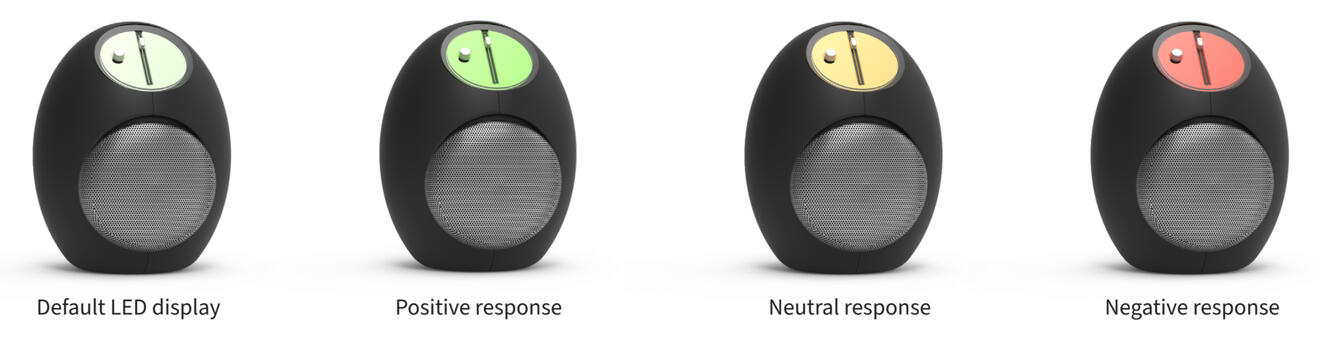
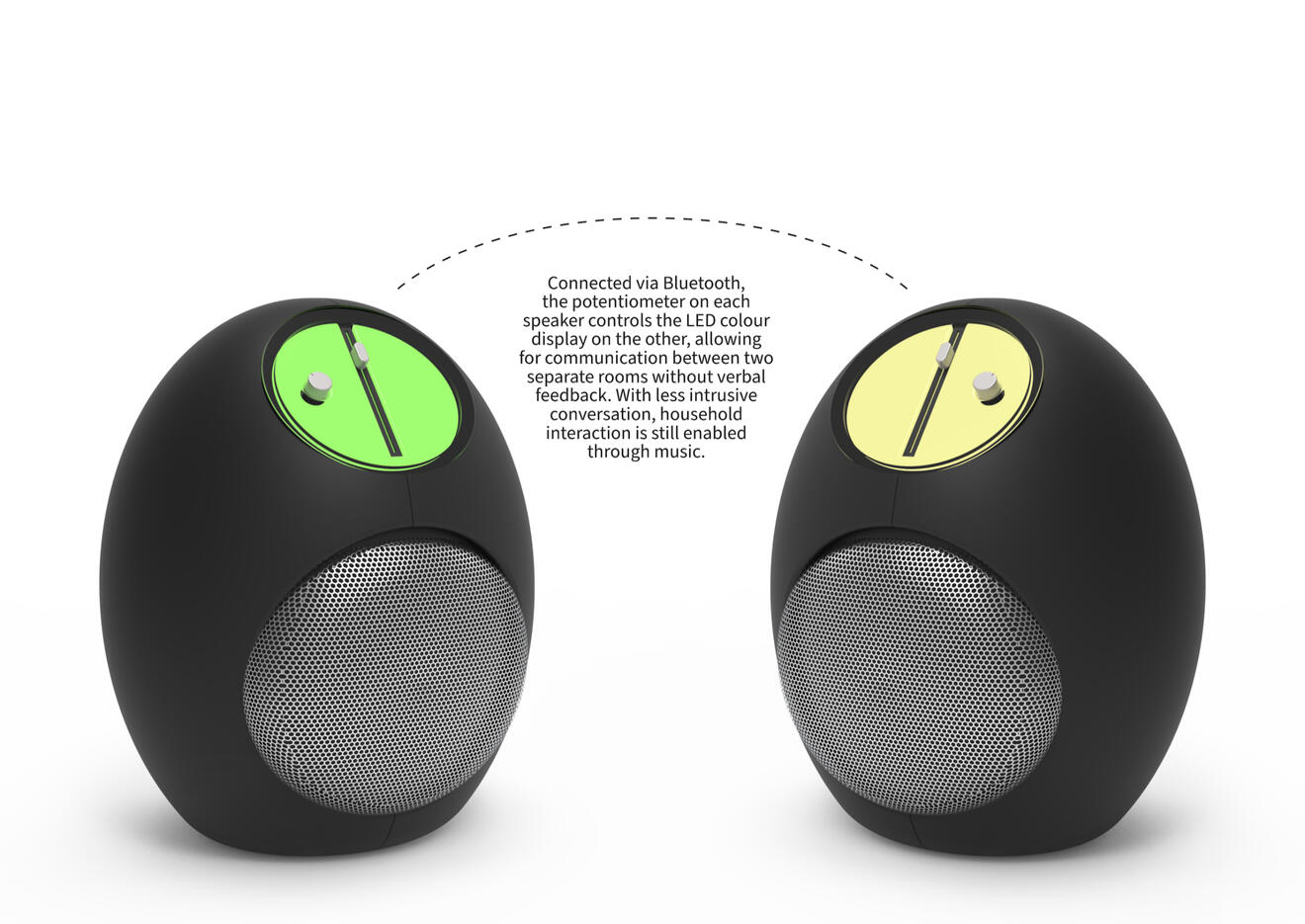
By combining music amplification and communication, a more wholesome interaction can be simulated within the home. Music is a source of connection, both positive and negative, allowing for engagement, and on the other hand, discourse. The ChromaWave speaker system combines unobtrusive and communication functions to enhance the relationships within shared living spaces.This project explores the relation between colour and mental state. Effective colour in design elicits a reaction from the viewers due to innate human response. Siting this notion, colour can be used as an indicator of preference when collectively listening to music within a household.Different hues and saturations of a given colour simulate different reactions, lighter hues evoking a calmer more relaxed response. An Arduino powered sliding potentiometer is used to indicate preference by changing the colour of an LED backplate, using palatable and pastel hues.
CONTACT